What Is Marketing Response?
Learn what marketing response means, what influences customer action, and how response connects marketing strategy with measurement and improvement.
Many marketers mistake attention for impact, but confusing the two can be costly. Traffic, impressions, and visibility confirm only that a marketing asset appeared in someone’s field of view—they don’t indicate whether it influenced an outcome. High reach can easily mask total indifference.
Marketing response begins only when we look past exposure to observe what the recipient actually did next. For example, a B2B SaaS campaign might generate thousands of ad impressions but zero demo requests, revealing a gap between attention and meaningful action.
Response Is Where Strategy Meets Behavior
A strategy operates entirely on assumptions until it reaches an audience. Marketers identify a specific Market, craft a targeted Message, and choose an appropriate Media channel to deliver it.
Yet, no matter how thorough the market research or creative execution, the strategy remains a hypothesis. Response is the moment of contact where that strategic hypothesis collides with real human behavior. The audience’s reaction proves or disproves whether the targeting was accurate, the proposition was compelling, and the distribution was timely. If the market has been poorly defined, even a strong message may struggle to produce the intended response. That begins with understanding
what customers really want.What Counts as a Marketing Response?
Modern analytics platforms can record many forms of response as events. Google Analytics, for example, can measure interactions such as page views, link clicks, and purchases, while other important actions can be identified as key events.
A response is any observable, consequential action a prospective buyer takes after encountering marketing material. Common examples include:
- Direct inquiries and replies: Phone calls, consultation requests, contact form submissions, or email replies.
- Micro-commitments: Downloading a technical white paper, registering for a webinar, or subscribing to an industry newsletter.
- Commercial actions: Initiating a checkout, booking an appointment, or completing a direct purchase.
- Behavioral cues: Navigating to a pricing page, returning to the site across multiple sessions, or sharing content within an organization.
- Negative or passive signals: Bouncing immediately, abandoning a multi-step checkout, unsubscribing, or taking no action at all.
There is no universal “good” response. The validity of a response depends entirely on the underlying commercial objective. An enterprise software firm does not need direct purchases from a display ad; an inquiry or lead form submission is the appropriate response. Conversely, an e-commerce promotion that drives thousands of read-only pageviews without purchases has failed to achieve its strategic goal.
Response also depends on whether the message communicates a benefit people can recognize as relevant. That distinction becomes clearer when we understand
benefits versus features in marketing.
Attention Is Not the Same as Action: A Real-World Example
A widespread error in modern performance marketing is mistaking reach for traction. Digital platforms encourage this confusion by selling visibility: impressions, video views, and ad placements. Attention creates the opportunity for response, but it is not a response in itself. Ten thousand people viewing an ad placement represents zero commercial value if not a single viewer engages further. Treating views or superficial reach as evidence of marketing success confuses the delivery mechanism with the outcome.
What Influences Whether Someone Responds?
When an audience member encounters a message, seven distinct variables govern their decision to act. These are:
- Relevance: Does the message align with a current problem, need, or interest?
- Clarity: Can the recipient instantly understand what is being offered without cognitive strain?
- Perceived Value: Does the payoff of acting clearly exceed the cost of doing so?
- Trust: Does the source feel credible, stable, and safe to interact with?
- Timing: Is the recipient in a position to act right now, or is the timing misaligned?
- Friction: How difficult or inconvenient is it to complete the desired action?
- Commitment Size: Does the scale of the request match the recipient’s level of relationship with the brand? (e.g., asking for an enterprise demo from cold traffic versus offering an ungated case study).
If any of these elements fail, the likelihood of a response drops dramatically. For instance, even the most relevant offer can be undermined by excessive friction or poor timing. A relevant message can still struggle when it appears in the wrong environment. Choosing
the right marketing media is therefore part of creating the opportunity for response.
Friction Can Change the Outcome
Friction can completely derail strategic intent. While often relegated to web design or technical optimization, friction has severe strategic consequences.
Common sources of commercial friction include:
- Unclear, buried, or competing calls to action (CTAs).
- Poor mobile responsiveness or slow-loading destination pages.
- Overly complex forms that ask for too much personal data too early.
- Choice overload, where too many options induce decision paralysis.
- Hidden costs, unexpected shipping fees, or forced account creation.
When friction enters the path, you are not testing whether the audience wanted your proposition; you are testing how much administrative difficulty they are willing to endure. Most will close the tab.
The Response You Want Should Be Defined Before the Campaign Begins
Generating traffic and then reviewing analytics to figure out what visitors did is reactive and disorganized.
Every asset should have a single, explicitly defined intended response established before creation begins. If the goal is pipeline development, every component of the copy, layout, and placement must drive toward that specific action. Defining the intended action first prevents conflicting objectives, eliminates wasted spend, and provides a distinct benchmark against which the asset can be judged.
Not Every Response Is a Sale
Expecting a direct transaction from every marketing interaction ignores how people actually make decisions. In high-value B2B services, complex software, or major consumer investments, you must earn trust systematically.
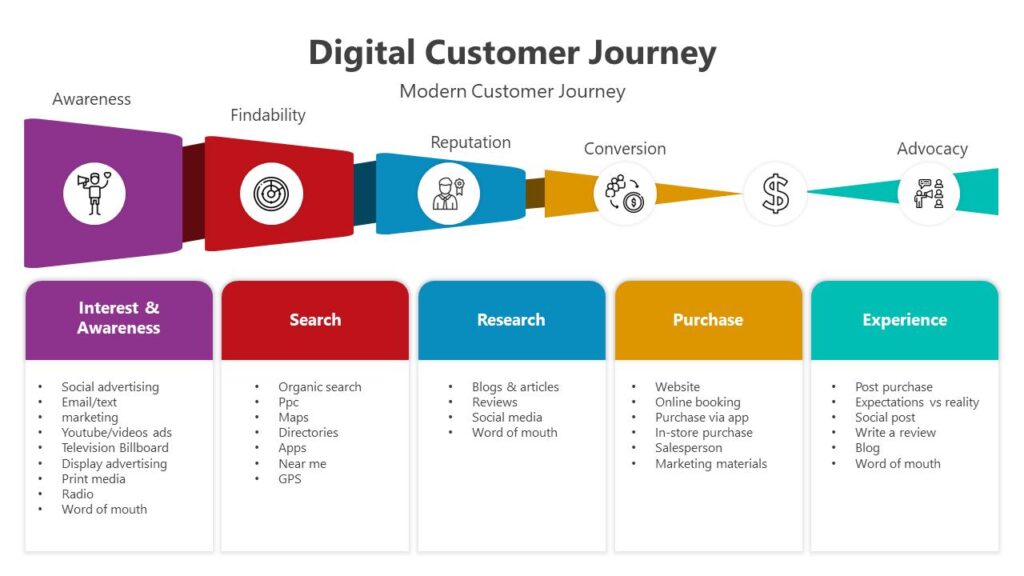
A response may simply be moving a prospect to the next logical step in their decision journey:
- Reading a full technical comparison instead of bouncing.
- Submitting an email address to receive an industry report.
- Scheduling an introductory discovery call.
When aligned with the strategic plan, these micro-responses represent tangible commercial progress. They bridge the gap between initial awareness and a final transaction.
What Non-Response Can Tell You
When an audience does not respond, it is tempting to jump straight to tweaking ad copy or redesigning buttons. However, a lack of response does not automatically pinpoint the underlying cause.
Non-response merely tells us that the interaction failed. The breakdown could stem from:
- An ill-defined Market (reaching people who do not need the offer).
- An unpersuasive Message (failing to communicate clear value or trust).
- The wrong Media (reaching the right people in the wrong mindset or context).
- An uncompetitive Offer or misjudged price point.
- Hidden Friction along the conversion path.
Because non-response signals a symptom rather than an exact diagnosis, you can’t resolve it through guesswork. It requires structured measurement.
Response Is Evidence, Not the Final Answer
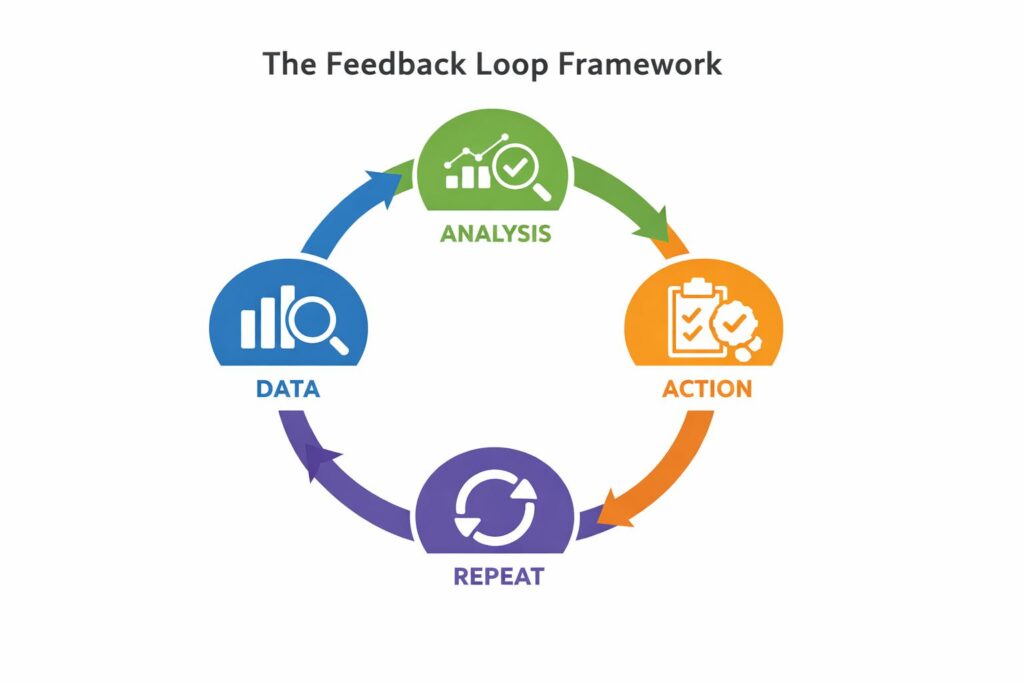
Response provides the objective evidence required for the core strategic feedback loop:
Response⟶ Measure⟶ Improve
We observe the audience’s behavior. We measure that behavior against our initial objectives and economic realities. Only then do we possess an empirical foundation to make adjustments—refining the audience, clarifying the message, streamlining the path, or replacing the channel altogether.
Marketing doesn’t end when a message reaches the market. That is where the market finally gets its say. To drive true growth, marketers must define the response they want, measure only what moves the business forward, and be relentless in distinguishing between mere attention and genuine action.